The Best Fluffy Pancakes recipe you will fall in love with. Full of tips and tricks to help you make the best pancakes.
16 Best Smoothie Books Every Health Lover Should Read
A quick Google search yields millions of smoothie recipes, but there is something irreplaceable about a curated cookbook. The best smoothie books offer more than just ingredient lists; they teach you the alchemy of flavor balancing, the science of nutrition, and how to turn a bag of spinach and a frozen banana into a meal that actually keeps you full. We have curated the essential library for every blender owner.
This post contains affiliate links. I may receive a small commission if you make a purchase through them.
Our top picks:
Best healthy smoothie book:
The Smoothie Recipe Book
Best vegan smoothie book:
Superfood Smoothies
Best green smoothie book:
Simple Green Smoothies
Best smoothie book recipes:
The Healthy Smoothie Bible
What we look for
Nutritional Balance
We avoid books that are just "sugar bombs" disguised as health food. We look for recipes that prioritize fiber, healthy fats, and proteins alongside fruit to keep blood sugar stable.
Ingredient Accessibility
You shouldn't have to visit three different health food stores to make breakfast. We value books that use common, accessible ingredients found at standard grocery stores.
Flavor Variety
Drinking the same strawberry-banana mix gets old fast. We look for authors who experiment with spices, herbs, and unique veggie combinations to keep your palate interested.
Educational Value
The best books explain *why* certain ingredients work together, teaching you how to build your own custom blends rather than just following instructions blindly.
Best Overall & Healthy Smoothie Books
Top Pick
Best for Beginners
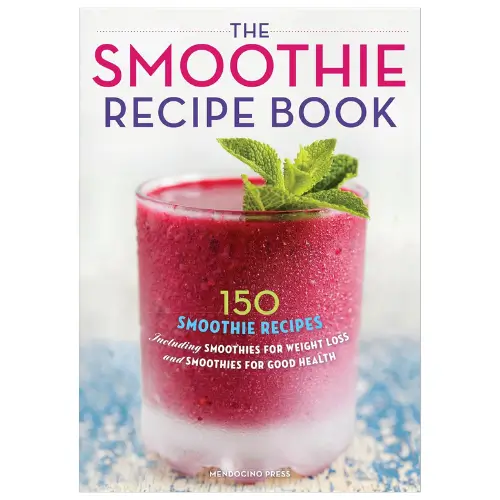
The Smoothie Recipe Book
The essential starter guide with 150 recipes that balance nutrition and taste perfectly.
Check Price on Amazon
Recipes150
FocusBalance
This is the bible for anyone just starting out. It doesn't overcomplicate things with rare superfoods but focuses on getting the ratios of fruit to liquid right. The organization by health benefit (e.g., immunity, energy) is incredibly helpful for targeting specific needs.
Pros
- Easy-to-find ingredients.
- Organized by health benefit.
- Great explanation of smoothie basics.
Cons
- Lack of photos for every single recipe.
Best Nutrient Dense
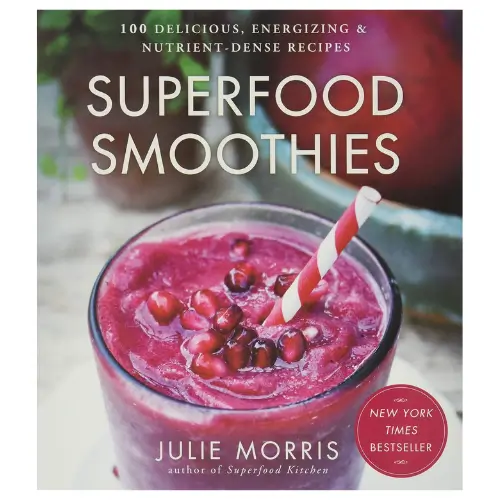
Superfood Smoothies by Julie Morris
Take your blending to the next level with power-packed ingredients like maca, acai, and chia.
Check Price on Amazon
Recipes100
TypePlant-Based
Julie Morris is a superfood expert, and it shows. If you are ready to move beyond basic fruit blends and start incorporating adaptogens and nutrient-dense powders, this is your guide. The recipes are vibrant, creative, and deeply nourishing.
Pros
- Introduces unique ingredients effectively.
- Beautiful photography.
- Focus on high energy and vitality.
Cons
- Ingredients can be expensive to source.
Best Reference
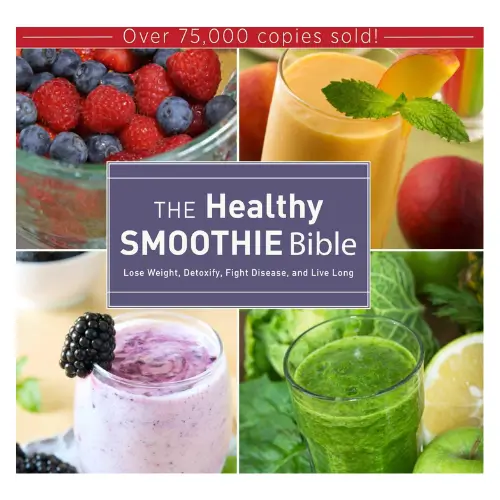
The Healthy Smoothie Bible
A comprehensive encyclopedic approach to blending for health and wellness.
Check Price on Amazon
FormatGuidebook
Recipes100+
Farnoosh Brock treats smoothie making as a lifestyle change rather than a diet. This book offers excellent advice on how to prep ingredients, clean your blender efficiently, and make smoothie habits stick. It covers everything from detoxing to healing gut inflammation.
Pros
- Excellent practical tips on equipment.
- Wide variety of flavor profiles.
- Good for troubleshooting bad textures.
Cons
- Design is a bit text-heavy compared to others.
Best for Families
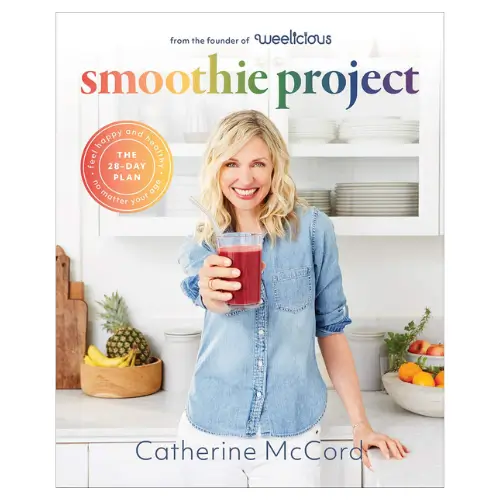
Smoothie Project by Catherine McCord
Kid-tested, parent-approved recipes designed to solve the "picky eater" problem.
Check Price on Amazon
AudienceKids/Family
VisualsStunning
Catherine McCord cracked the code on getting kids to eat their veggies. This book features charts on how to build a smoothie, making it interactive for children. The recipes are sweet enough to be palatable but packed with hidden nutrition like cauliflower and spinach.
Pros
- Engaging layout for kids.
- Helpful "build-your-own" charts.
- Focus on whole-food ingredients.
Cons
- Some recipes are high in natural sugars.
Best Green & Detox Smoothie Books
Best for Greens
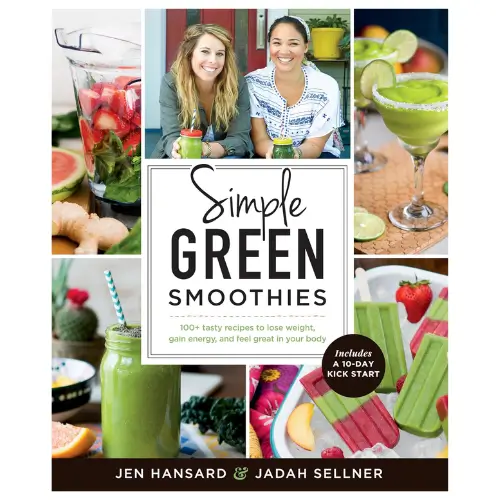
Simple Green Smoothies
The famous "Rawkstar" approach to making greens taste amazing, never grassy.
Check Price on Amazon
Challenge7-Day
TasteDelicious
Jen Hansard's philosophy is simple: healthy food should taste good. This book is perfect for anyone scared of kale. The recipes follow a specific formula to ensure the fruit masks the greens, creating a vibrant, sweet drink that is packed with iron and vitamins.
Pros
- Recipes are never bitter.
- Includes shopping lists and meal plans.
- Very encouraging and positive tone.
Cons
- Mainly focuses on fruit/green combos (less savory).
Best for Weight Loss
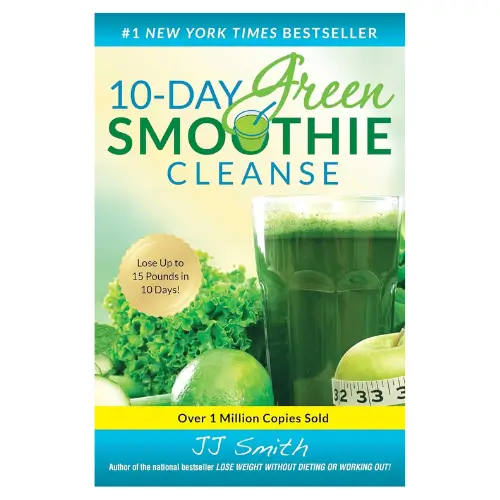
10-Day Green Smoothie Cleanse
The NYT bestseller that provides a structured plan to reset your eating habits.
Check Price on Amazon
Plan10-Day
GoalDetox
If you need a hard reset, JJ Smith's book is the go-to guide. It provides a detailed 10-day shopping list and recipe schedule. It's intense but effective for those looking to kick sugar cravings and jumpstart weight loss quickly.
Pros
- Very structured and easy to follow.
- Includes shopping lists.
- Proven results for many readers.
Cons
- Restrictive diet plan (not for long-term).
Most Aesthetic
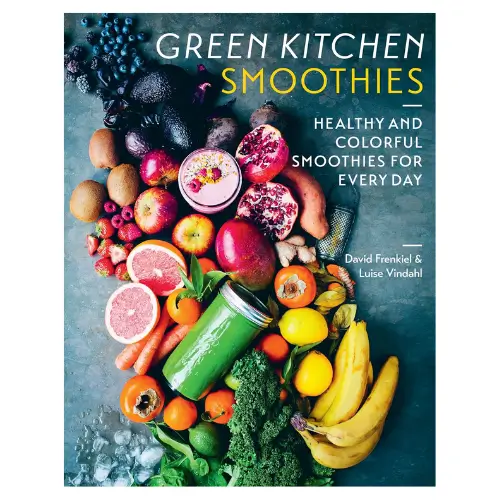
Green Kitchen Smoothies
Creative, globally inspired recipes with stunning photography.
Check Price on Amazon
StyleModern
RecipesCreative
This is a coffee table book that belongs in the kitchen. David Frenkiel and Luise Vindahl offer recipes that are as beautiful as they are tasty, featuring layers, toppings, and nut milks. It explores savory smoothies and smoothie bowls as well.
Pros
- Gorgeous visual inspiration.
- Unique flavor combinations (savory/spicy).
- Includes recipes for homemade nut milks.
Cons
- Some recipes require more prep time.
Best for Cleansing
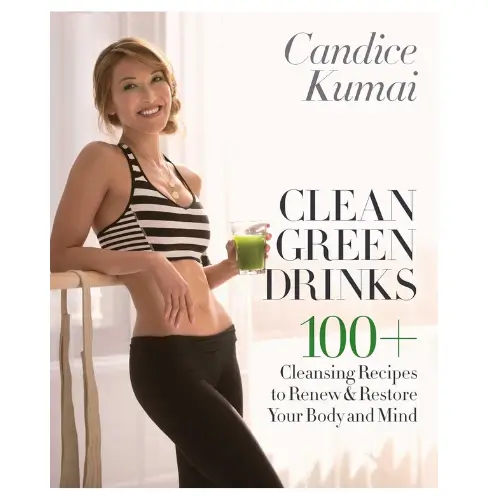
Clean Green Drinks
Over 100 cleansing recipes to renew and restore your body.
Check Price on Amazon
Recipes100+
FocusBeauty/Health
Candice Kumai combines her culinary training with nutrition science. These recipes are designed to reduce bloating and improve skin health. It strikes a nice balance between "hardcore detox" and "actually edible."
Pros
- Chef-created flavor profiles.
- Focus on skin and beauty benefits.
- Very approachable.
Cons
- Some recipes use specific juices that require a juicer.
Best Vegan & Plant-Based Books
Best Flavor Profiles
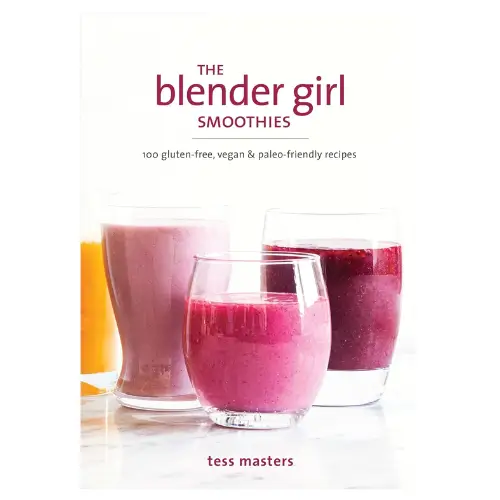
The Blender Girl Smoothies
100 gluten-free, vegan recipes that focus on texture and complex tastes.
Check Price on Amazon
DietGF/Vegan
StyleCulinary
Tess Masters knows how to blend. Her recipes often include soaking nuts or seeds to create creamy bases without dairy. The "Tastes Like Ice Cream" kale smoothie is a legendary recipe that converts everyone who tries it.
Pros
- Creative use of herbs and spices.
- Great for gluten-free diets.
- Texture-focused (no gritty drinks).
Cons
- Requires a high-speed blender for best results.
Best Lifestyle
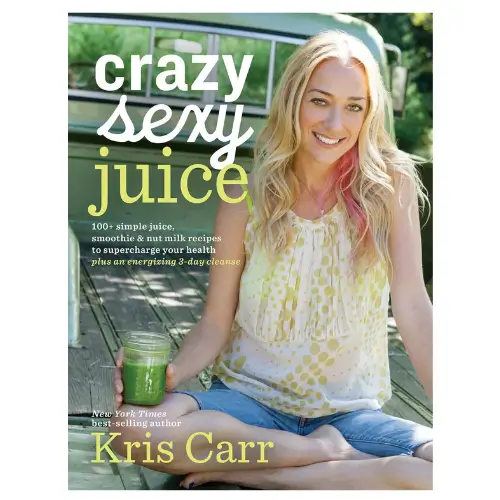
Crazy Sexy Juice by Kris Carr
A fun, energetic guide to wellness through juices, smoothies, and nut milks.
Check Price on Amazon
Recipes100+
ToneFun/Empowering
Kris Carr brings an infectious energy to healthy eating. This book isn't just about recipes; it's about shifting your mindset. It includes a great mix of juices and smoothies, making it a versatile addition to your shelf.
Pros
- Covers both juicing and blending.
- Fun, readable writing style.
- Includes nut milk tutorials.
Cons
- Juice recipes require a separate juicer machine.
Best Daily Guide
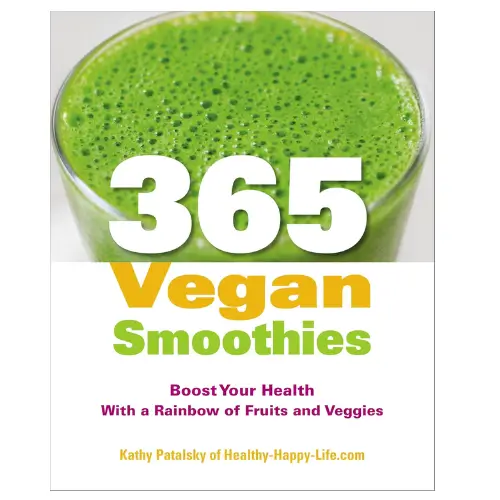
365 Vegan Smoothies
A massive collection ensuring you never drink the same smoothie twice in a year.
Check Price on Amazon
Count365
ValueBest
Kathy Patalsky offers a smoothie for every mood, season, and craving. If you get bored easily, this is the book for you. It covers everything from light fruit blends to decadent dessert-like shakes, all 100% vegan.
Pros
- Huge variety of recipes.
- Categorized by flavor and benefit.
- Includes "smoothie bowls" section.
Cons
- Paperback quality can wear out with heavy daily use.
Best Modern Basics
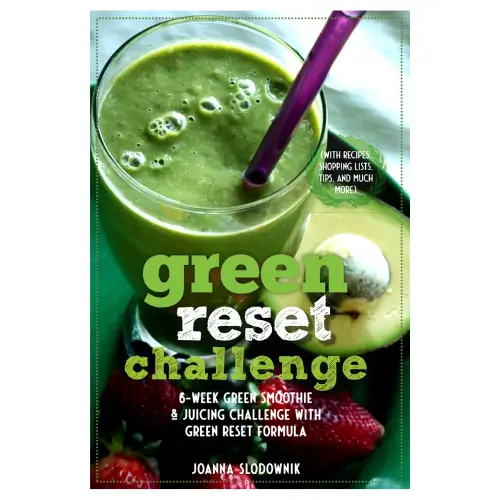
Plant-Based Juices and Smoothies
Clean, simple, and effective recipes for a whole-food lifestyle.
Check Price on Amazon
IngredientsSimple
LayoutClean
This book strips away the noise and focuses on pure, plant-based nutrition. The layout is clean and minimalist, making it easy to read while you are chopping fruit in the morning. It's great for those who want straightforward, healthy fuel.
Pros
- No processed ingredients.
- Clear nutritional info.
- Great for beginners to plant-based diets.
Cons
- Less dessert-style options.
Best for Specific Goals
Best Science-Based
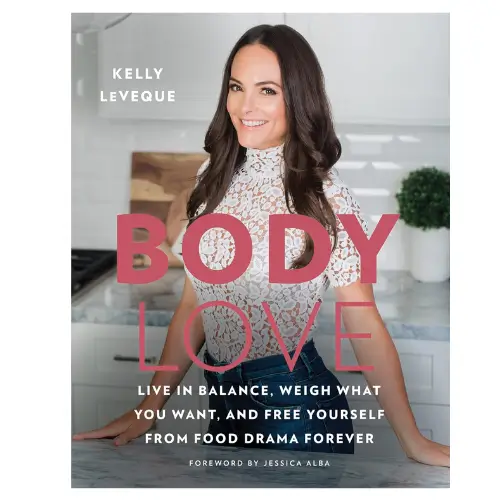
Body Love by Kelly LeVeque
Home of the "Fab Four" smoothie formula: Protein, Fat, Fiber, and Greens.
Check Price on Amazon
ConceptFab Four
GoalSatiety
Kelly LeVeque changed the smoothie game by focusing on blood sugar balance. Her recipes are designed to keep you full for 4-6 hours by avoiding excess fruit sugar and loading up on healthy fats and fiber. It's a science-backed approach to curbing hunger.
Pros
- Eliminates sugar crashes.
- Keeps you full for hours.
- Educational content on hormones.
Cons
- Smoothies are less sweet than traditional ones.
Best Low Carb
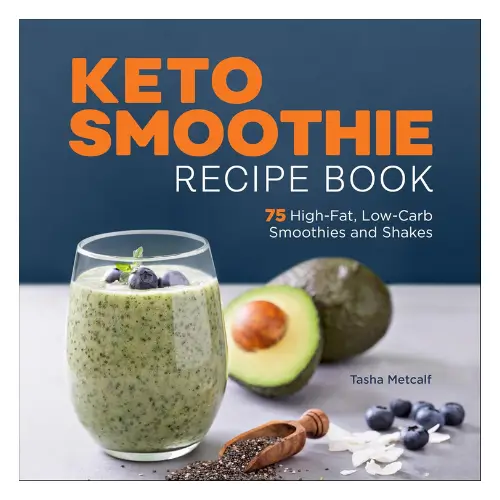
The Keto Smoothie Recipe Book
Delicious low-carb, high-fat shakes that won't kick you out of ketosis.
Check Price on Amazon
DietKeto
CarbsLow
Fruit is usually a no-go on Keto, which makes smoothies hard. This book solves that by using avocados, coconut milk, and low-glycemic berries to create rich, creamy shakes that fit perfectly into a ketogenic lifestyle.
Pros
- Perfect for low-carb dieters.
- High satiety.
- Creative use of keto-friendly sweeteners.
Cons
- High calorie count (due to fats).
Best Fitness Plan
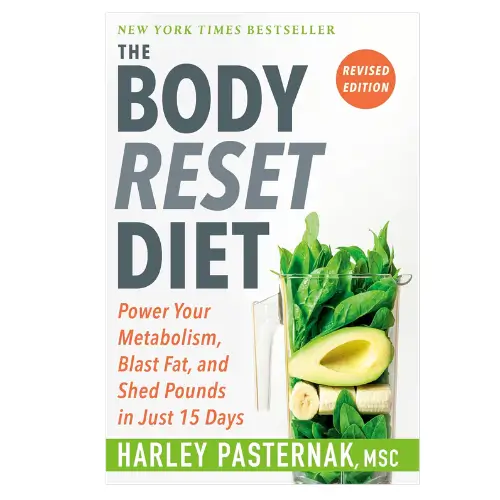
The Body Reset Diet
Celebrity trainer Harley Pasternak's smoothie-based plan to shed pounds fast.
Check Price on Amazon
Plan15-Day
FocusMetabolism
This isn't just a recipe book; it's a full diet plan. Pasternak uses smoothies (White, Red, and Green) to power your metabolism. It's famous for being the plan many celebrities use to get in shape for movie roles.
Pros
- Complete diet strategy.
- Balanced macronutrients.
- Includes exercise tips.
Cons
- Requires strict adherence for results.
Best Healing
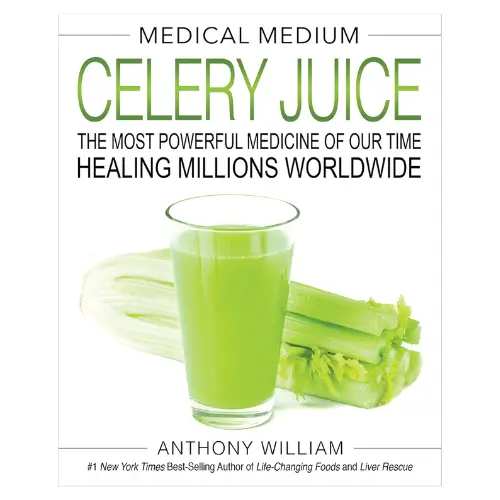
Medical Medium Celery Juice
The global movement for healing chronic illness through specific juicing protocols.
Check Price on Amazon
FocusHealing
TypeJuicing
While technically about juicing, this book is essential for the chronic illness community. Anthony William details how celery juice can help with gut health, autoimmune issues, and skin conditions. It's a deep dive into the healing power of a single ingredient.
Pros
- Life-changing for many with chronic issues.
- Deeply detailed explanations.
- Global community support.
Cons
- Very specific niche (mostly celery).
- Controversial scientific claims.
💡 Pro Tip: The "Dump Bag" Method
The biggest barrier to daily smoothies is the prep time. Spend Sunday morning pre-portioning your fruit, greens, and seeds into Ziploc bags or silicone stasher bags. Throw them in the freezer. In the morning, you just dump the bag into the blender, add liquid (and protein powder if using), and blend. It turns a 10-minute chore into a 2-minute habit.
Frequently Asked Questions
Do I need a fancy blender to make these recipes?
While high-speed blenders (like Vitamix or Blendtec) give the smoothest texture, especially for greens and nuts, you can make 90% of these recipes with a standard blender. If your blender is weak, try blending the greens and liquid first before adding the frozen fruit to avoid chunks.
Is fresh or frozen fruit better?
Frozen fruit is often better for smoothies! It creates a thick, creamy, ice-cream-like texture without needing to water it down with ice cubes. Plus, frozen fruit is picked at peak ripeness and is usually cheaper.
Why am I hungry an hour after my smoothie?
You likely didn't add enough fat or protein. Fruit blends digest very quickly. To stay full, ensure your smoothie has a source of protein (powder, greek yogurt) and healthy fat (avocado, nut butter, flax seeds, or chia seeds). Check out Body Love in our list for more on this.
Can I meal prep smoothies ahead of time?
Yes, but they are best consumed fresh to preserve the vitamins (especially Vitamin C, which degrades with oxygen). If you must prep, store the blended smoothie in an airtight mason jar filled to the very top to minimize oxidation, and drink it within 24 hours.