The Best Fluffy Pancakes recipe you will fall in love with. Full of tips and tricks to help you make the best pancakes.

Hair Fall in Winter: Why It Happens and How to Stop It
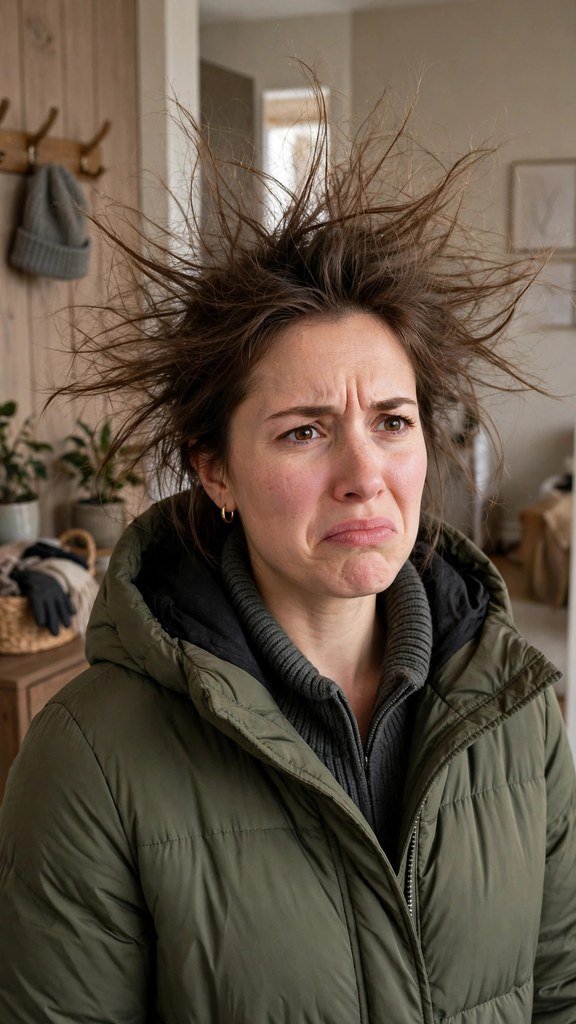
Finding more hair in your brush, on your pillow and in the shower drain lately? You are not imagining it – hair fall genuinely increases in winter for most people. The combination of dry air, hot water and seasonal stress weakens roots at exactly the time your scalp is producing less oil. Here is why it happens, and the 7 fixes that stop winter hair fall.
Why Hair Falls More in Winter
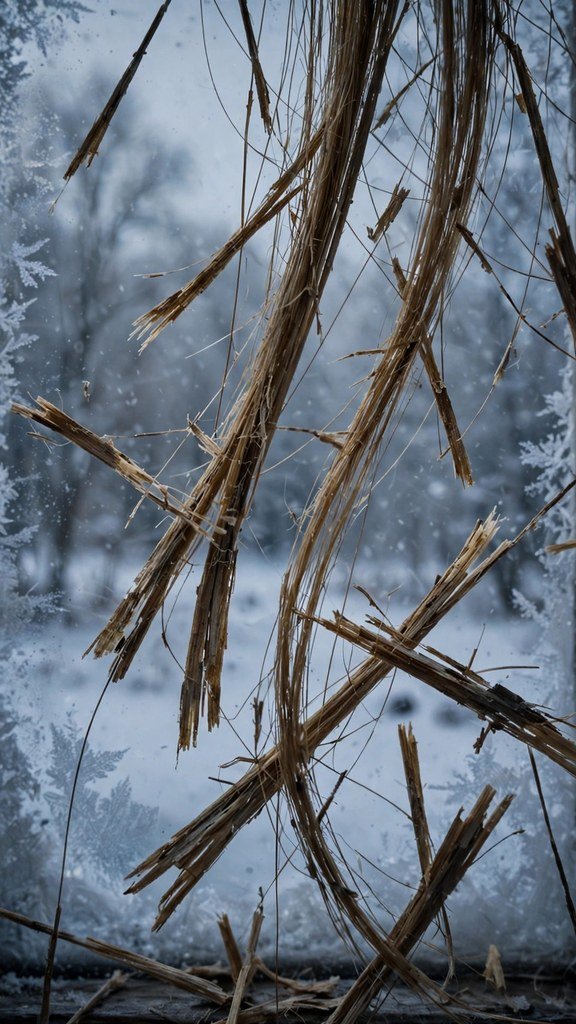
Cold, dry air pulls moisture from both your hair and scalp. Strands become brittle and snap more easily, while the dry scalp environment weakens the roots’ grip. Add hot showers that strip protective oils, friction from wool hats, heavier stress and less sunlight (and vitamin D) in winter months, and shedding climbs. Losing 50–100 hairs a day is normal; in winter many people temporarily shed more.
1. Keep Your Scalp Clean and Balanced

A scalp buried under dry flakes, oil and product buildup cannot hold roots well. Wash 2–3 times a week with a gentle sulfate-free shampoo, and exfoliate the scalp once a week. Clean follicles = stronger roots = less hair in the drain.
2. Massage with Warm Oil Twice a Week

This is the classic remedy because it works. Warm coconut, castor or rosemary-infused oil and massage for 5–10 minutes, twice a week. It boosts blood flow to follicles, reduces dryness and makes strands more flexible. Leave it on for at least an hour — overnight if you can.
3. Eat for Your Hair: Protein, Iron and Biotin

Hair is made of protein, and winter diets often run low on the nutrients roots need. Eat eggs, fish, lentils, spinach, nuts and seeds daily. If you are vegetarian, pay extra attention to iron and B12. Supplements help only if you are actually deficient — food first.
4. Be Gentle: Less Heat, No Tight Hairstyles

Dry winter hair breaks under pressure. Cut heat styling, never brush wet hair roughly (use a wide-tooth comb), and avoid tight ponytails and buns that pull roots. Sleep on a satin pillowcase to cut overnight friction.
5. Wash Smart: Lukewarm Water, Fewer Washes

Hot water strips oils and weakens roots; daily washing does the same. Wash with lukewarm water, finish with a cool rinse to seal the cuticle, and keep it to 2–3 washes a week. Always condition mid-lengths to ends.
6. Manage Stress and Sleep Well

Stress pushes hair follicles into the shedding phase — and its effect shows up 2–3 months later, often right in winter. Daily walks, breathing exercises, a wind-down routine and 7–8 hours of sleep protect your hair as much as any shampoo.
7. Trim Regularly and Ditch Damaged Ends
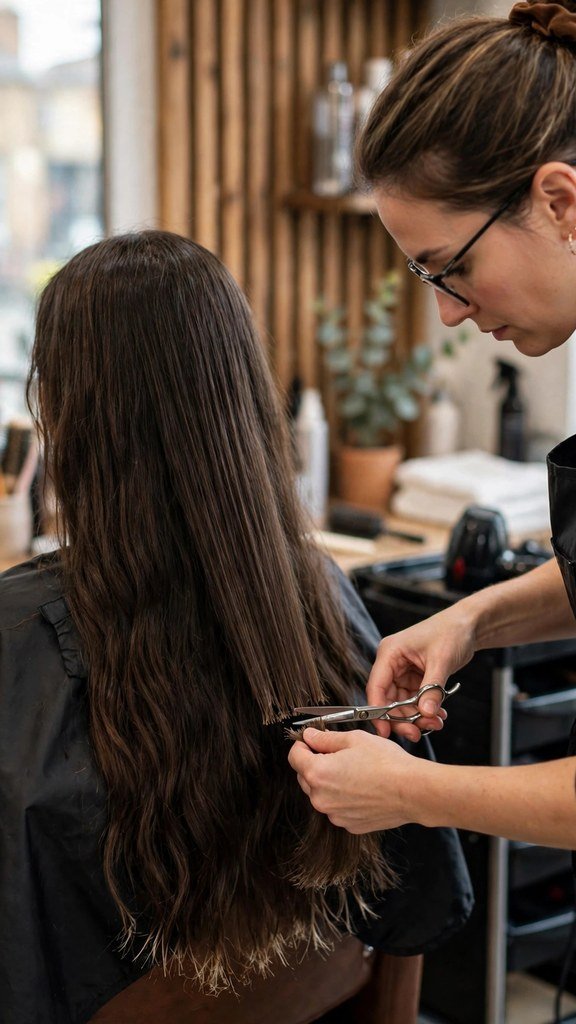
Split, damaged ends travel upward and snap mid-shaft, adding to the hair you lose. A small trim every 6–8 weeks keeps ends healthy and makes hair look instantly thicker. You are not losing length — you are stopping breakage.
Your Anti-Hair-Fall Winter Routine (Save This!)

Twice a week: warm oil massage before washing.
Wash days: gentle shampoo, lukewarm water, weekly scalp exfoliation.
Every day: protein-rich meals, gentle handling, no tight styles, good sleep.
Hair Fall — FAQs

How much hair fall is normal in winter?
50–100 hairs a day is normal year-round. A temporary winter increase is common; see a doctor if you notice bald patches, sudden heavy shedding or a receding hairline.
Does oiling really stop hair fall?
Oil itself does not regrow hair, but regular massage improves scalp circulation and oil prevents the dryness and breakage that make shedding worse.
When should I see a dermatologist?
If shedding is sudden and heavy, patchy, or paired with scalp pain, redness or sores — or if it does not improve after 3 months of consistent care.
Winter hair fall is usually temporary and fixable. Protect your scalp, oil and massage regularly, eat well, and be gentle — and your hair will thank you by spring.