
The Best Fluffy Pancakes recipe you will fall in love with. Full of tips and tricks to help you make the best pancakes.

How to Stop Static Hair in Winter: 8 Easy Hacks That Work Instantly
You take off your winter hat and — zap — your hair is floating in every direction, clinging to your face and standing on end. Static hair is winter’s most cartoonish problem, but it has a simple science and even simpler fixes. Here is why it happens and 8 easy hacks that stop static instantly.
Why Hair Gets Static in Winter

Static builds when dry hair rubs against dry materials — hats, scarves, pillowcases, brushes. The friction transfers electrons, every strand ends up with the same charge, and like charges repel: your hair literally pushes itself apart and floats. Winter makes it worse because cold outdoor air and heated indoor air are both extremely dry, and dry hair holds a charge far more easily than moisturized hair.
1. Add Moisture — Static Hates Hydrated Hair
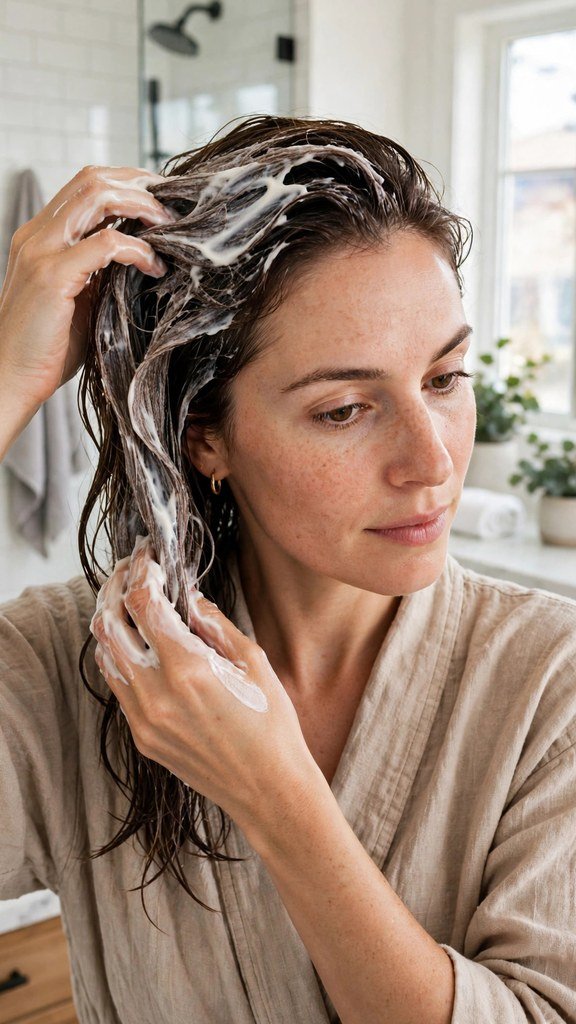
The root fix for static is moisture. Condition every wash, use a weekly mask, and keep a leave-in conditioner in your routine. Hydrated hair is heavier, smoother and far less likely to hold a static charge — most people see static drop dramatically within a week of proper conditioning.
2. Use a Dryer Sheet (the 10-Second Fix)

The fastest static cure there is: gently rub a dryer sheet over your hair — or keep one in your bag and press it over flyaways. Dryer sheets are designed to neutralize static charge, and they work on hair instantly. You can also rub one over your hat’s lining and your brush.
3. Switch to a Wooden or Metal Comb

Plastic brushes and combs create static as they move through hair. A wooden comb or a metal comb does not build up charge the same way, so it glides through hair without making it fly. A boar bristle brush is another great option — it distributes natural oils down the hair shaft, adding shine and weight that calms flyaways.
4. Run a Humidifier Where You Sleep and Work

Dry air is the real villain. A humidifier in your bedroom (and at your desk, if possible) raises indoor humidity back toward 40–50%, which lets static dissipate instead of building up. You will likely notice less static, less dry skin and easier mornings within a day or two.
5. Choose Natural Fabrics and Lined Hats

Wool and synthetic hats and scarves are static machines. Choose hats with a satin or silk lining, and favor cotton or silk scarves over acrylic. Less friction against your hair means less charge — and a satin lining also protects against breakage and frizz.
6. Finish with a Drop of Oil or Leave-In

A pea-sized drop of hair oil or leave-in cream, smoothed over the surface of dry hair, weighs flyaways down and seals in moisture. Warm it between your palms first, then glide it lightly over the top layer — too much will look greasy, but just enough gives instant, all-day calm.
7. Try an Ionic Hair Dryer

Ionic dryers release negative ions that neutralize the positive charge building up in hair while you dry it. If you blow-dry regularly, switching to an ionic dryer can cut static dramatically — and it often dries hair faster, with less heat damage.
8. The Hand Cream Emergency Trick

No products around? Rub a small amount of hand cream or body lotion between your palms until almost nothing is left, then smooth your palms lightly over your hair. It adds just enough moisture to kill static on the spot — the classic emergency fix.
Static Hair — FAQs

Why is my hair only static in winter?
Because winter air is dry inside and out. In humid seasons, moisture in the air (and in your hair) lets charge dissipate. In winter, dry air and dry hair let charge build until your hair literally repels itself.
Does static damage hair?
The static itself does not damage hair, but the dryness behind it does — dry hair breaks more easily, so treating the dryness helps both problems at once.
What is the fastest way to fix static hair at work?
The dryer sheet trick, a drop of hand cream smoothed over the surface, or simply wetting your palms and running them lightly over your hair.
Static hair is a dryness problem wearing a funny costume. Moisturize properly, humidify your rooms, swap your plastic brush for wood, and keep a dryer sheet in your bag — and winter will stop turning your hair into a science experiment.