The Best Fluffy Pancakes recipe you will fall in love with. Full of tips and tricks to help you make the best pancakes.

Dry Scalp in Winter: Causes and 8 Fast Remedies That Work
An itchy, flaky, tight-feeling scalp is one of winter’s most annoying side effects. When temperatures drop, the air — outside and inside your heated home — loses its moisture, and your scalp loses its natural oils right along with it. The good news: dry scalp in winter is easy to fix once you know what causes it. Here are the causes, plus 8 fast remedies that actually work.
What Causes Dry Scalp in Winter?
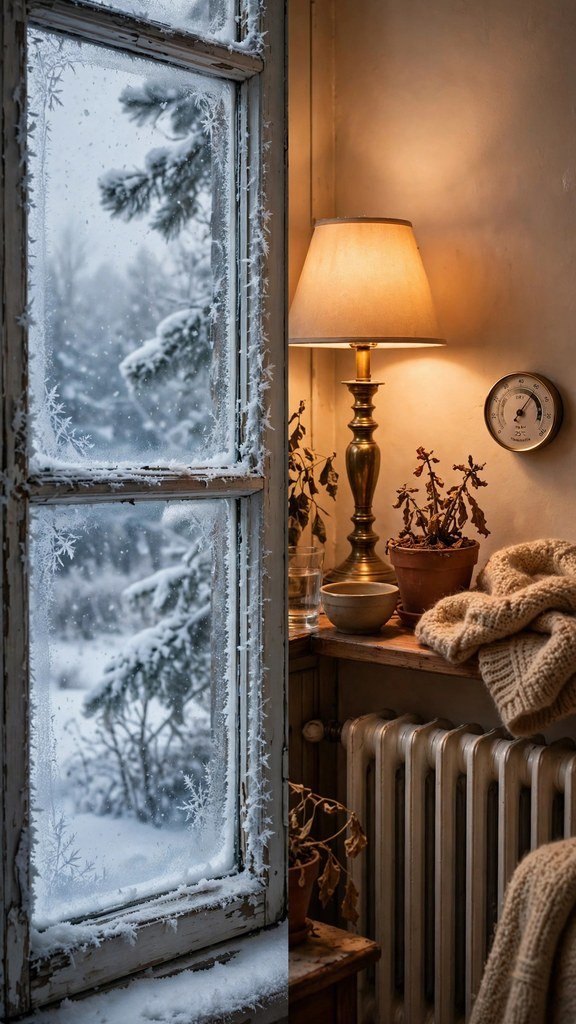
Cold outdoor air holds very little moisture, and indoor heating dries the air even further. Your scalp responds by producing less oil, so the skin barrier weakens and starts to flake and itch. Hot showers, harsh shampoos and wool hats rubbing on skin make it worse. Note: small, powdery white flakes usually mean dry scalp, while larger, yellowish, sticky flakes point to dandruff — the remedies below are for dryness.
1. Switch to a Gentle, Moisturizing Shampoo
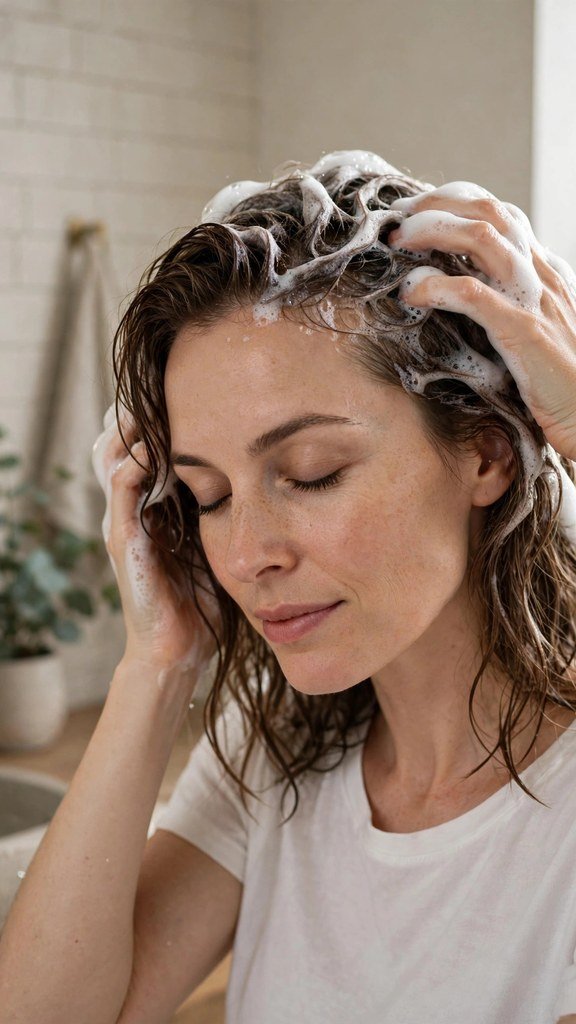
Strong anti-dandruff and clarifying shampoos can strip a dry scalp even more. Switch to a sulfate-free, moisturizing shampoo for winter, and wash every second or third day instead of daily. Your scalp needs its natural oils — stop washing them all away.
2. Add a Weekly Scalp Oil Massage
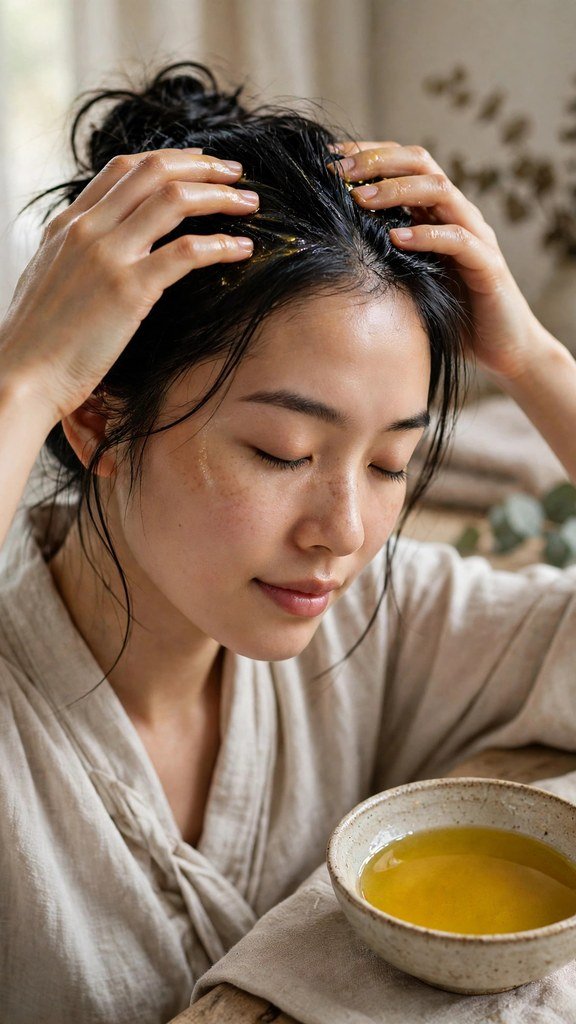
Warm a tablespoon of coconut, jojoba or almond oil and massage it into your scalp with your fingertips for five minutes before washing. The oil replaces what winter stole, and the massage boosts blood flow. Leave it for 30 minutes (or overnight) before shampooing.
3. Exfoliate Gently Once a Week
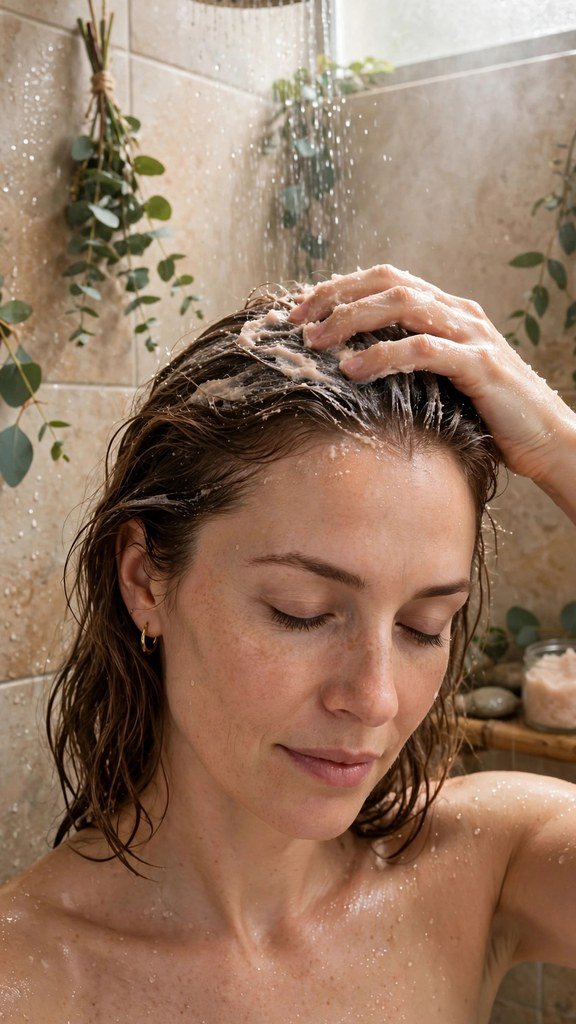
Dead skin builds up faster on a dry scalp. A gentle scalp scrub — or a DIY mix of brown sugar and conditioner — lifts flakes away so treatments can actually reach the skin. Be gentle: scratching with nails damages the barrier and slows healing.
4. Turn Down the Shower Heat
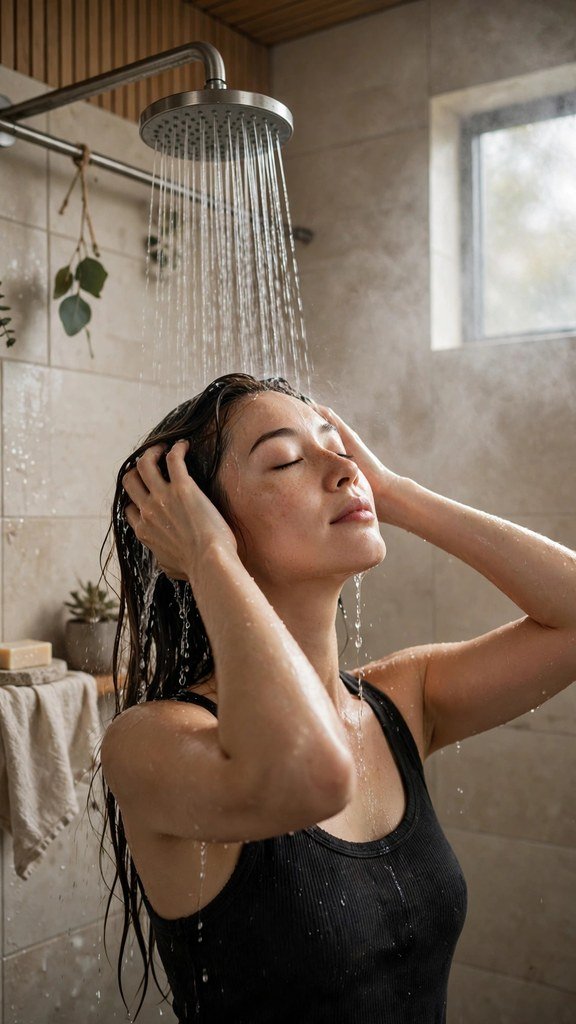
Hot water feels amazing in winter, but it melts away the scalp’s protective oils in minutes. Wash your hair with lukewarm water, and if you love a hot shower, keep your head out of the stream until the final rinse.
5. Use a Humidifier at Night

You spend eight hours breathing heated bedroom air. A humidifier keeps that air at a scalp-friendly humidity, and most people notice less itching within a few nights. It helps your hair lengths and skin at the same time.
6. Try an Aloe Vera or Tea Tree Treatment
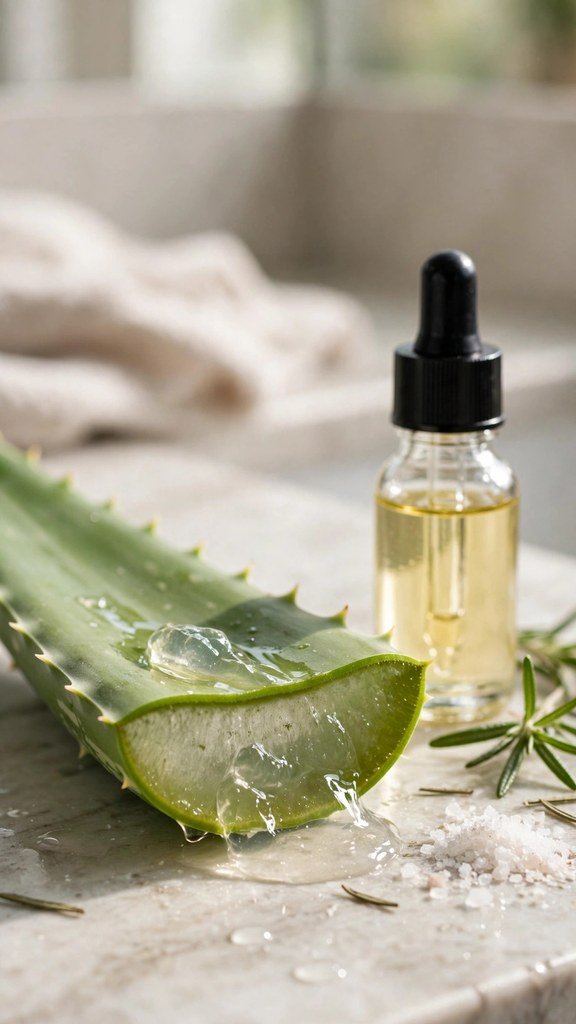
Aloe vera gel soothes itching and hydrates skin without grease — apply it to the scalp for 20 minutes before washing. Tea tree oil (a few drops mixed into your shampoo or a
carrier oil) calms irritation and keeps the scalp feeling fresh.
7. Rinse with Apple Cider Vinegar (DIY)
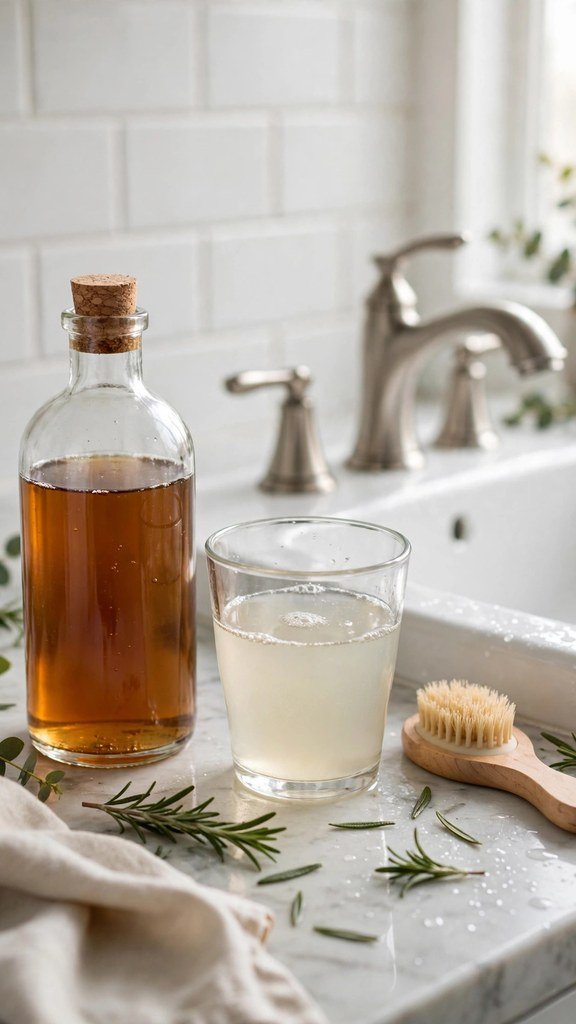
Mix 2 tablespoons of apple cider vinegar in a cup of water and pour it over your scalp after shampooing. It rebalances the scalp’s pH, loosens flaky buildup and adds shine to the lengths. Leave for 2–3 minutes, then rinse. Once a week is plenty.
8. Protect Your Scalp Outdoors — and Stay Hydrated

Cold wind strips moisture fast, so cover your head outdoors — a satin-lined hat protects without friction. And remember: scalp hydration starts inside. Drink enough water and eat healthy fats (nuts, seeds, oily fish) to support oil production from within.
Your Dry Scalp Routine (Save This!)
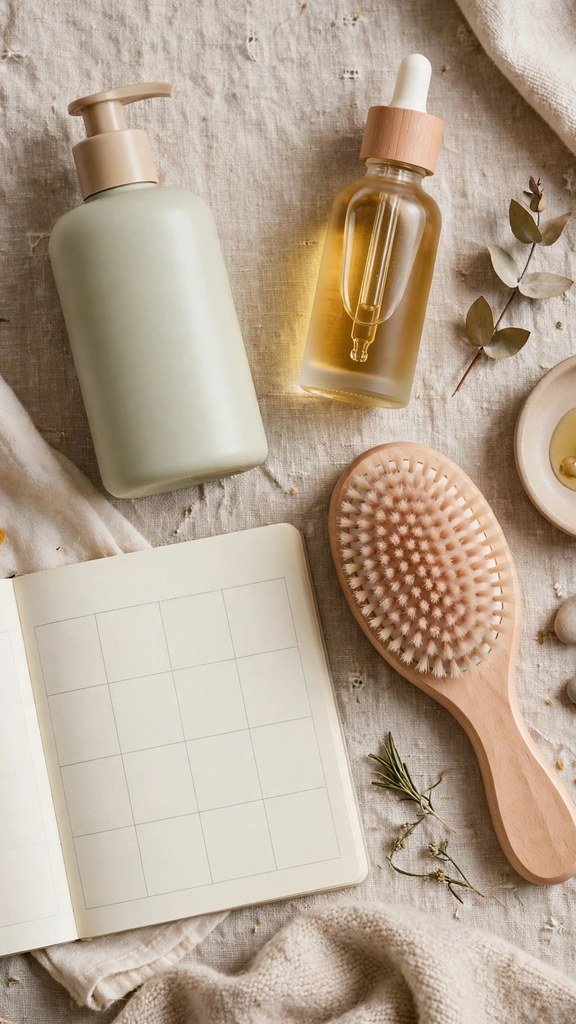
Wash days: gentle moisturizing shampoo, lukewarm water, optional ACV rinse once a week.
Once a week: warm oil massage + gentle exfoliation before washing.
Every day: humidifier at night, lined hat outdoors, enough water.
Dry Scalp — FAQs

Is it dry scalp or dandruff?
Dry scalp flakes are small, white and powdery, and your skin elsewhere feels dry too. Dandruff flakes are larger, yellowish and oily, and the scalp often feels greasy. Dry scalp responds to moisture; dandruff needs antifungal shampoo.
How fast do these remedies work?
Itching usually eases within a few days of switching shampoo and adding oil massages. Visible flaking typically improves within 1–2 weeks of consistent care.
Can dry scalp cause hair fall?
Indirectly, yes — constant scratching and an unhealthy scalp environment can weaken roots. Fix the dryness and the shedding usually settles. If hair fall is heavy or patchy, see a dermatologist.
A dry scalp in winter is not something you have to live with until spring. Gentle washing, weekly oil, and a few humidity habits will keep your scalp calm and flake-free all season. Save this guide to your hair care board!